Science-Based Supplementation Guide: What Works and What’s a Waste of Money
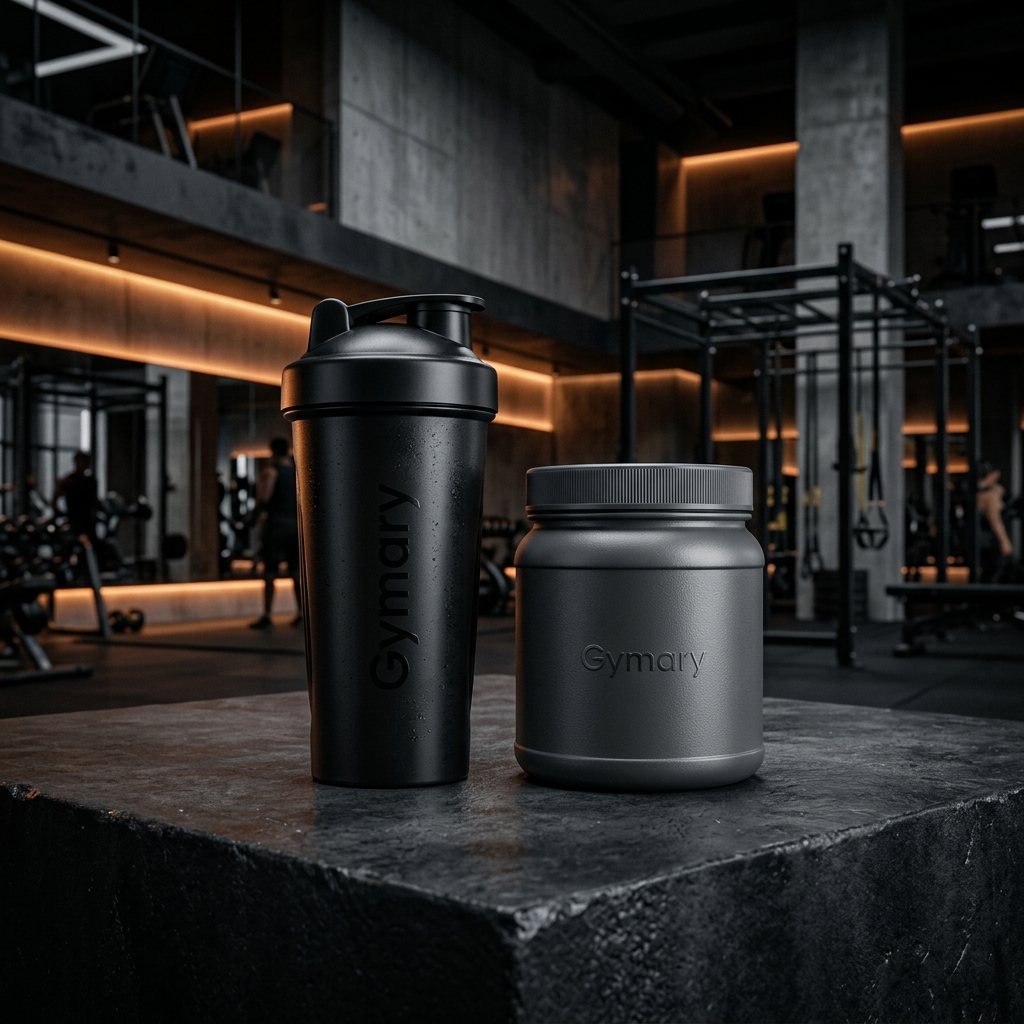
You walk into a supplement store and it feels like you’ve stepped into a futuristic pharmacy. Shiny tubs, promises of gaining 10 pounds of muscle in a month, and compound names that sound like they’re straight out of a sci-fi movie. As someone who takes training seriously, you want that extra “edge,” but here is the cold, hard truth: 90% of the supplements on the market do absolutely nothing.
In the fitness world, supplementation is the tip of the pyramid. If your training is mediocre, your nutrition is a mess, and you’re sleeping five hours a night, no magic powder is going to save you. However, if you already have the pillars under control, certain supplements can give you that 5-10% boost that marks the difference between a plateau and a new personal best.
Let’s separate the wheat from the chaff. No fluff, no marketing, just science and practical utility.
The Top 3: Those That DO Work (and Have Solid Evidence)
If your budget is limited, stick to these three. They are the ones that have withstood decades of scientific studies and real-world testing.
1. Creatine Monohydrate
It is the absolute king. Creatine is the most scientifically researched supplement in fitness history. Its function is simple: it helps regenerate ATP (the energy currency of your cells) faster.
- Benefits: Greater explosive strength, better recovery between sets, and increased cell volume (fuller-looking muscles).
- Dosage: 3-5 grams daily. You don’t need a loading phase or rest periods. Take it every day, even on rest days.
- Expert Tip: Buy the version with the “Creapure” seal if you want maximum purity, but any quality monohydrate will work.
2. Whey Protein
It’s not a magic product; it’s simply efficiently processed food. It’s convenient, absorbs quickly, and has a complete amino acid profile.
- Benefits: Makes it easier to hit your daily protein requirements (key for hypertrophy).
- When to use it: When you don’t have time to cook or need a light protein source after training.
- Important Note: Before buying a tub, check your macros on Gymary. If you already cover your 1.8g - 2.2g of protein per kilo of body weight with solid food (chicken, eggs, legumes, tofu), you don’t need to supplement. The app will tell you exactly how much you’re missing.
3. Caffeine
The cheapest and most effective pre-workout in the world. Caffeine reduces perceived exertion and increases focus.
- Benefits: Allows you to train with higher intensity when you’re tired.
- Dosage: 3-6 mg per kg of body weight, about 30-45 minutes before training.
- Caution: Do not use it for late-night workouts or you will ruin your recovery (sleep is more important than any pre-workout).
The “Runners-Up”: Useful in Specific Contexts
These supplements work, but they aren’t essential for everyone. Their effectiveness depends on your goals and your current diet.
| Supplement | Function | Who is it for? |
|---|---|---|
| Beta-Alanine | Delays muscle fatigue (the famous tingling). | Athletes doing high-rep sets (12+) or CrossFit. |
| Citrulline Malate | Improves blood flow and “the pump.” | People looking to maximize vascularity and reduce soreness. |
| Omega-3 | Anti-inflammatory and cardiovascular health. | Those who don’t consume enough fatty fish in their diet. |
| Vitamin D | Bone and hormonal health. | Almost everyone in winter or people with little sun exposure. |
The Wall of Shame: Supplements That Are a Waste of Money
This is where the industry makes money at the expense of your lack of information. If you see these products, run:
- BCAAs (Branched-Chain Amino Acids): If you already consume enough protein, taking BCAAs is like pouring a glass of water into the ocean. They provide nothing extra and are extremely expensive for what they offer.
- Fat Burners: Most are just overpriced caffeine with exotic ingredients that don’t burn a single extra calorie. Fat loss happens in the kitchen, not in a capsule.
- Testosterone Boosters: Unless you have a diagnosed clinical deficiency, these products will not raise your testosterone above natural levels. They are pure marketing.
- Glutamine for Muscle Gain: It’s excellent for gut health in certain cases, but for hypertrophy, the evidence is almost non-existent.
How to Organize Your Supplementation
Don’t try to take everything at once. The order of priorities should be as follows:
Level 1: Basic Health
Before thinking about the gym, think about your health. A multivitamin (only if your diet is low in vegetables) and Omega-3 are the foundation. If you aren’t healthy, you can’t train hard.
Level 2: Performance and Building
This is where Creatine Monohydrate comes in. If I had to choose only one supplement for the rest of my life, this would be it. It’s cheap, safe, and it works.
Level 3: Convenience
Protein powder falls here. It won’t make you grow more than a steak will, but it’s much easier to carry in your gym bag. Use Gymary to log your intake and you’ll see that protein is a tool to reach your goal, not an end in itself.
Comparison Table: Dosage and Timing
| Supplement | Recommended Dose | Ideal Timing |
|---|---|---|
| Creatine | 3-5g | Any time (consistency is key) |
| Whey Protein | 20-40g | Post-workout or between meals |
| Caffeine | 200-400mg | 30-45 min before training |
| Citrulline Malate | 6-8g | 60 min before training |
The “Mental Connection” with Supplementation
There is a psychological factor we cannot ignore: the placebo effect. Sometimes, taking a pre-workout puts you in “warrior mode” simply because you’ve created the habit. There’s nothing wrong with that, as long as you’re aware that it’s your effort lifting the bar, not the colored powder.
However, the most common mistake is over-relying on supplements. I’ve seen people spend $150 a month on supplements while lacking a structured training routine. It’s nonsense. At Gymary, we always say that data doesn’t lie: if you track your loads and see you aren’t progressing, the problem isn’t that you’re missing a new supplement, but that your programming or recovery is failing.
Frequently Asked Questions (FAQ)
1. Do I need to cycle off creatine? No. There is no evidence that continuous use is harmful to healthy individuals. Your saturation levels must remain constant for it to be effective.
2. Does whey protein damage the kidneys? In people with healthy kidneys, no. This is one of the most widespread myths in fitness. Just make sure to drink enough water, which you should be doing anyway.
3. Can I get everything from food alone? Absolutely. Supplements are optional. You can build an elite physique without taking a single pill or shake, provided your nutrition is impeccable.
The Final Verdict
Don’t be fooled by the latest influencer promoting a “revolutionary” supplement. Human physiology doesn’t change every week. The basics work because they target fundamental metabolic pathways.
If you want to maximize your results, invest your money wisely:
- Buy quality food.
- Subscribe to an app like Gymary to track your progress and avoid training blindly.
- If there’s budget left over, buy Creatine and Protein.
Supplementation should be the last step of your plan, not the first. Focus on progressive overload, eating what your body needs, and resting like an athlete. When all of that is in place, those 5 grams of creatine will be the spark that ignites the engine.
Train smart, supplement with science.
Want to track your workouts?
Download Gymary and start tracking your progress today.