Recovery and Sleep: The 'Invisible Training' for Building Muscle and Losing Fat
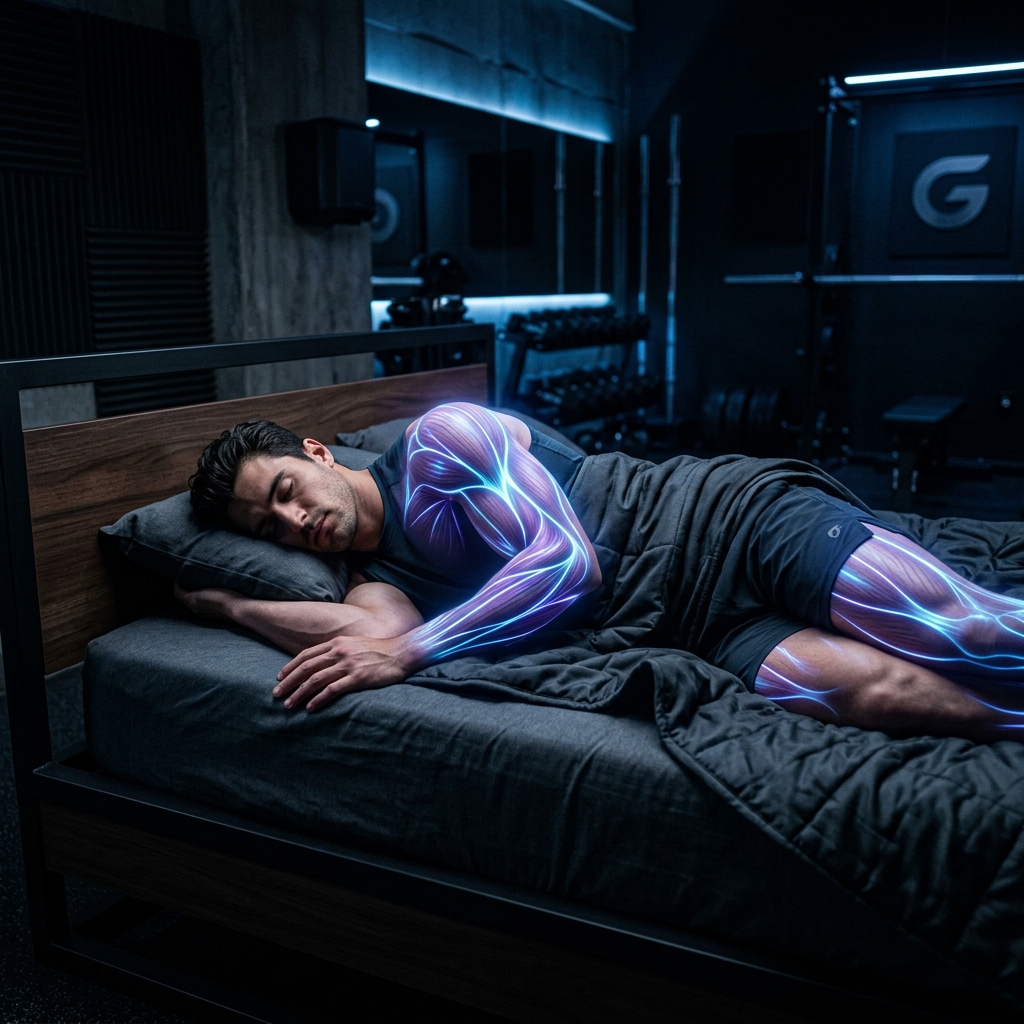
You’ve surely heard the phrase: “You don’t grow in the gym, you grow while you sleep.” And while it sounds like a cliché from an Instagram motivation account, the reality is that science backs this claim 100%. Training is, technically, a catabolic process: you’re breaking down muscle fibers, stressing your central nervous system, and depleting your glycogen stores.
Real progress happens during muscle recovery. If you don’t manage this “invisible training,” it doesn’t matter how much weight you lift or how many hours you spend in the gym; you’ll end up stalled, injured, or worse, burned out.
In this article from Gymary, we’ll dive into the mechanisms of recovery, why sleep is your best supplement, and how you can optimize your rest so every drop of sweat at the gym counts.
The Physiology of Recovery: What’s Really Happening?
When you train with intensity, you create micro-tears in your muscle fibers. This damage is necessary because it activates satellite cells, which fuse with the muscle fibers to repair the damage, thereby increasing the muscle’s cross-sectional area (hypertrophy).
However, this process requires two things: nutrients and time.
Recovery is not a passive process where “nothing happens.” It’s a complex hormonal and metabolic choreography where the body:
- Eliminates metabolic waste.
- Repairs damaged tissue through protein synthesis.
- Replenishes glycogen (energy) stores in muscles and the liver.
- Restores autonomic nervous system balance.
Sleep: The Most Powerful Natural Anabolic
If there were a pill that increased testosterone, reduced cortisol, improved fat burning, and accelerated protein synthesis, it would cost a fortune. That “pill” is quality sleep.
Sleep Phases and Performance
Not all sleep is equal. For an athlete or someone looking to improve body composition, two phases are critical:
- Non-REM Deep Sleep (Stages 3 and 4): This is where the physical magic happens. Blood flow is directed toward muscles, the most Human Growth Hormone (HGH) is released, and tissue repair takes place.
- REM Sleep: This phase is crucial for cognitive recovery and motor learning. If you’re trying to master the technique of a complex lift like the snatch or heavy squat, REM sleep is where your brain “consolidates” those movement patterns.
Consequences of Sleep Deprivation
Consistently sleeping less than 7 hours has devastating effects:
- Insulin resistance: Your body handles carbohydrates worse, making fat accumulation easier.
- Muscle breakdown: Elevated cortisol acts as a catabolic agent that “eats” muscle mass.
- Reduced strength: Studies show that maximal strength output drops drastically after a night of poor sleep.
Active Recovery vs. Passive Recovery
Many people think resting means lying on the couch all day. Although sometimes necessary, active recovery is usually more effective for combating DOMS (Delayed Onset Muscle Soreness).
What Is Active Recovery?
It consists of performing very low-intensity physical activity (30-50% of your maximum capacity) that increases blood flow without generating additional fatigue.
- Walking: 30 minutes at a light pace.
- Mobility and Yoga: Help maintain range of motion.
- Light swimming: Water reduces impact on joints.
Increased blood flow transports oxygen and nutrients to damaged tissues and helps “clean” the byproducts of intense training.
Strategic Nutrition for Recovery
What you eat after training and before sleep dictates the speed of your recovery.
| Nutrient | Role in Recovery | Recommended Source |
|---|---|---|
| Protein | Provides amino acids for tissue repair. | Chicken, eggs, whey, tofu. |
| Carbohydrates | Replenishes depleted muscle glycogen. | Rice, potato, oats, fruit. |
| Magnesium | Muscle relaxation and improved sleep quality. | Spinach, nuts, citrate supplements. |
| Omega-3 | Reduces systemic inflammation. | Salmon, chia seeds, fish oil supplements. |
Pro tip: Consuming a slow-digesting protein source (like casein) before bed can keep protein synthesis elevated during the overnight fasting hours.
How to Tell If You’re Lacking Recovery
Sometimes we’re our own worst enemy and obsess over “never missing a day.” Learning to read fatigue signals is an advanced athlete skill.
Use Gymary to log not just your weights, but also your fatigue levels and sleep quality. If you notice your numbers consistently dropping for two weeks or that your motivation has vanished, it’s an unmistakable sign that you need a “deload week” or more total rest days.
Signs of Overtraining (or Lack of Recovery):
- Elevated resting heart rate: If your pulse upon waking is 5-10 beats higher than normal.
- Irritability and lack of focus.
- Insomnia: Ironically, being too fatigued can make sleep difficult (due to excess cortisol).
- Persistent joint pain.
The Sleep Hygiene Protocol for Athletes
If you have trouble sleeping after an intense evening workout, follow these steps:
- Block blue light: Turn off screens or use filters 90 minutes before bed. Blue light inhibits melatonin.
- Cool temperature: Your body needs to lower its core temperature to enter deep sleep. A room at 18-20°C (65-68°F) is ideal.
- No caffeine after 2:00 PM: Caffeine has a half-life of about 6 hours. Even if you fall asleep, the quality of your deep sleep will be affected.
- Wind-down ritual: Read a physical book, meditate, or do very light stretching. Tell your nervous system the “battle” is over.
The Importance of Stress Management
It’s not just the physical stress from the gym that counts. Work, financial, or emotional stress consumes the same recovery resources. Your body doesn’t distinguish between “I’m stressed because I did 5 sets of squats” and “I’m stressed because my boss yelled at me.”
Total load (Allostatic Load) is what matters. If you’re having a particularly stressful week at work, reduce your training volume at the gym. Less is more when your recovery capacity is compromised.
Conclusion: Balance Is the Secret
Fitness is not a straight line of infinite effort. It’s a series of peaks (training) and valleys (recovery). The deeper your rest valley, the higher your next performance peak can be.
Remember:
- Train with intensity, but rest with the same discipline.
- Prioritize 7-9 hours of sleep as if it were your most important training session.
- Use tools like Gymary to monitor your progress and adjust your training volume based on how your body feels.
- Don’t ignore minor discomforts; they’re your body’s warning signs before a serious injury.
Optimizing your recovery isn’t being lazy, it’s being smart. At the end of the day, the winner isn’t the one who destroys themselves most in the gym, but the one who rebuilds best for the next session. See you at the rack, but first — go to sleep!
Want to track your workouts?
Download Gymary and start tracking your progress today.